Élodie Lefèvre
Head of Partnerships
13 years in the field
If you only read a few pages, start here. Our most-used guides cover how to evaluate whether a source is reliable, how to fact-check information you find online, and how to tell at a glance when content is out of date. Each one is written to be finished in a single sitting and applied the same day.
Practical steps to judge if a source is trustworthy: check authorship, evidence, transparency and dates so you can rely on the information you read.
A simple approach to fact-checking online: cross-reference claims, verify quotes and confirm data before you trust or share what you read.
Learn how to tell whether guidance is current, track changes over time and refresh your knowledge so you never act on outdated information.
Turn scattered findings into clear notes: structure references, tag key facts and keep sources handy so your research stays usable and accurate.
A clear explainer on the difference between primary and secondary sources, when to use each and how they affect the reliability of what you read.
Recognize the warning signs of stale information — missing dates, broken links and old references — so you avoid relying on outdated pages.
Practical steps to judge if a source is trustworthy: check authorship, evidence, transparency and dates so you can rely on the information you read.
A simple approach to fact-checking online: cross-reference claims, verify quotes and confirm data before you trust or share what you read.
Learn how to tell whether guidance is current, track changes over time and refresh your knowledge so you never act on outdated information.
Turn scattered findings into clear notes: structure references, tag key facts and keep sources handy so your research stays usable and accurate.
A clear explainer on the difference between primary and secondary sources, when to use each and how they affect the reliability of what you read.
Recognize the warning signs of stale information — missing dates, broken links and old references — so you avoid relying on outdated pages.
A small, senior team — you speak to the same people from the first call to the final handover.
Head of Partnerships
13 years in the field
Lead Analyst
9 years in the field
Project Coordinator
12 years in the field
Founder & Managing Director
14 years in the field
Head of Research
13 years in the field
Lopactnia is an independent editorial resource built to cut through the noise of conflicting, outdated, and half-finished pages online. Every guide is written to explain a topic clearly, point you toward trustworthy sources, and help you decide what to do next.
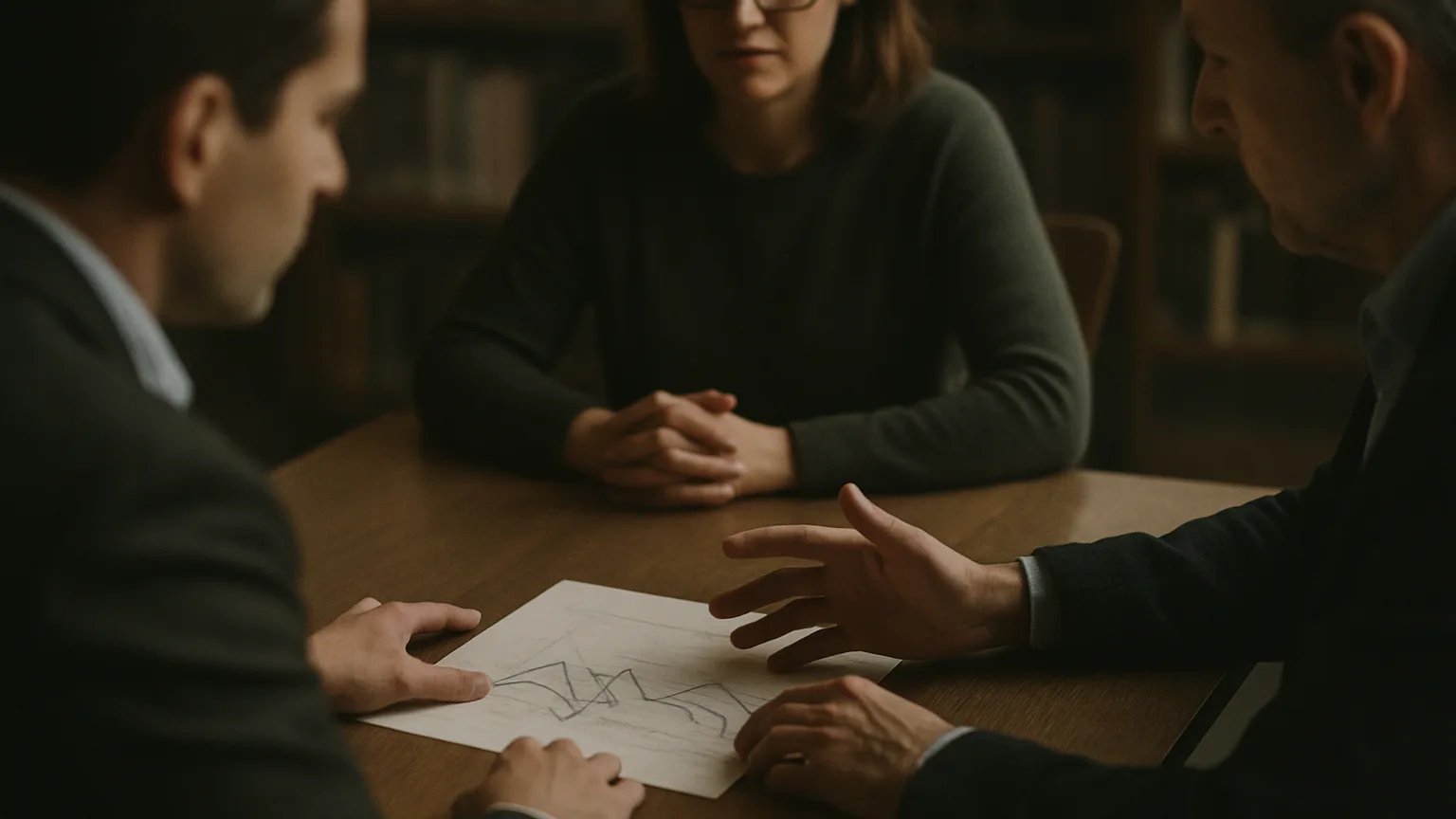
A short summary of how the team has grown and what clients rely on us for.
Lopactnia is run by an independent editorial team focused on making complex topics clear. Every guide is reviewed for accuracy and readability before it is published, and we prioritize plain language over jargon.
We schedule regular reviews of our published material and revise pages when the underlying facts or best practices change. Guides that touch on fast-moving subjects are checked more often, and significant updates are noted on the page.
Yes. We point to primary sources wherever possible so you can verify claims directly rather than relying on our summary alone. If we cannot confirm something, we tell you that instead of guessing.
Our guides and reference material are freely available. The goal is a trustworthy starting point that saves you from wading through conflicting or outdated pages elsewhere.
Search results scatter you across pages of varying quality and age. Lopactnia gives you one carefully written, current explanation per topic, plus clear guidance on where to look next when you need more depth.
We choose topics based on the questions readers most commonly struggle to answer clearly. Reader interest and gaps in existing coverage directly shape what we write next.
We publish plain-language guides and a curated reference library so you can understand a subject without reading twenty contradictory articles first. Each piece is structured around the questions people actually ask, checked against reliable sources, and revised when the facts change.
Beyond the guides, we maintain practical resources you can use while you work. These are designed to be printed, bookmarked, or copied into your own notes.
A few notes from people we have worked with over the past years.
They took the time to understand how we work before proposing anything. The result fits us, not a template.
Six months in, we are still getting follow-up checks. Support did not end when the invoice was paid.
We arrived with a vague idea and left with a plan we could actually follow. Every question got a straight answer, without jargon.
Lopactnia is an independent editorial resource built to cut through the noise of conflicting, outdated, and half-finished pages online.
Browse the library, start with a core guide, or pick up a reference tool to use as you work. Clear answers and trustworthy sources are a click away.